Ağız boşluğu, segman silindire takıldıktan sonra iki ucu arasında kalan küçük boşluktur — ısıl genleşme payı. Çok küçükse uçlar sıcakken dayanır ve silindiri sıyırır; çok büyükse yanma gazı kaçar, kompresyon düşer ve yağ yakar. Bu rehber neden önemli olduğunu, iki arıza biçimini, nasıl ölçüleceğini ve segman ağızlarının neden kaydırılması gerektiğini anlatıyor. Beş animasyonlu şemayla.
Minicik bir açıklık, ama motorun basınç kaçırıp kaçırmayacağına ve silindiri sıyırıp sıyırmayacağına aynı anda karar veriyor: piston segmanının en kritik ve en çok gözden kaçan ölçüsü, ağız boşluğu.
Piston segmanı tam bir daire değildir; bir ağzı (segman açıklığı) vardır. Segman silindire takıldıktan sonra bu ağzın iki ucu arasında kalan yarık ağız boşluğudur (segman ağzı veya ek boşluğu da denir). Kusur gibi görünebilir, ama tasarım gereği bilinçli olarak bırakılır ve vazgeçilmezdir.
Motor çalışırken bir piston segmanı — özellikle yanma odasına en yakın olan üst kompresyon segmanı — 200-300 °C ve üzerine çıkabilir. Metal ısıyla genleşir ve çevresi büyür. Soğukken hiç ağız boşluğu bırakılmazsa, ısındıktan sonra iki uç gidecek yeri olmadan birbirine dayanır ve segman silindir duvarına doğru zorlanır: en iyi ihtimalle silindiri çizer, en kötü ihtimalle sıyırma ve sıkışmayayol açar.
Başka bir deyişle ağız boşluğu, özellikle «ısıl genleşme» için ayrılmış bir paydır: motor soğukken belirgin bir yarık görülür, motor ısındığında ise bu yarık tam kıvamına iner ve segman uçları dayanmadan sızdırmazlığı sağlar.
Ağız boşluğu fazla küçük (ya da hiç) bırakılırsa en büyük risk ısıl genleşmeden uçların dayanmasıdır:
Tersine, çok büyük bir ağız boşluğu, ağzın fazla geniş bir aralık bırakması demektir ve sızdırmazlık bozulur:
Ağız boşluğunun tek bir sabit değeri yoktur; genellikle silindir çapının bir oranı olarak hesaplanır. Yaygın bir pratik kural, her 1 mm silindir çapı için yaklaşık 0,003-0,004 mm ağız boşluğu bırakmaktır (kabaca çapın % 0,3-0,4'ü). Her segmanın kendi değeri vardır ve en yüksek sıcaklığı gören üst kompresyon segmanının boşluğu genellikle en büyüğüdür.
| Konum | Göreli ağız boşluğu | Notlar |
|---|---|---|
| Üst kompresyon segmanı | En büyük | Yanma odasına en yakın ve en sıcak olanıdır; en fazla ısıl genleşme payına ihtiyaç duyar |
| İkinci kompresyon segmanı | Orta | Daha serin çalışır; ağız boşluğu üst segmandan biraz daha küçüktür |
| Yağ segmanı (takım) | Ayrı değer | Sıyırıcı lamalar ve genleştirici üreticinin değerine uyar ve farklı biçimde ölçülür |
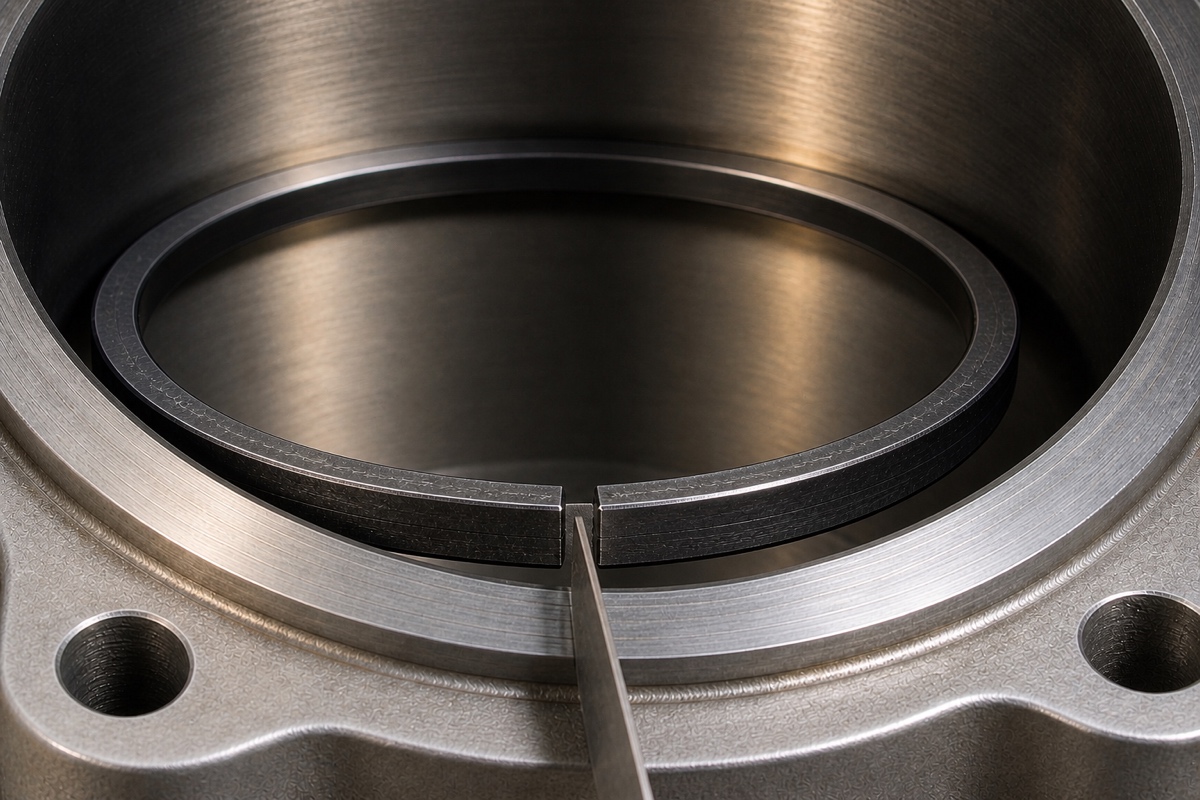
Ağız boşluğunu ölçmenin anahtarı, segmanı silindir içinde «gönyeye almaktır»:
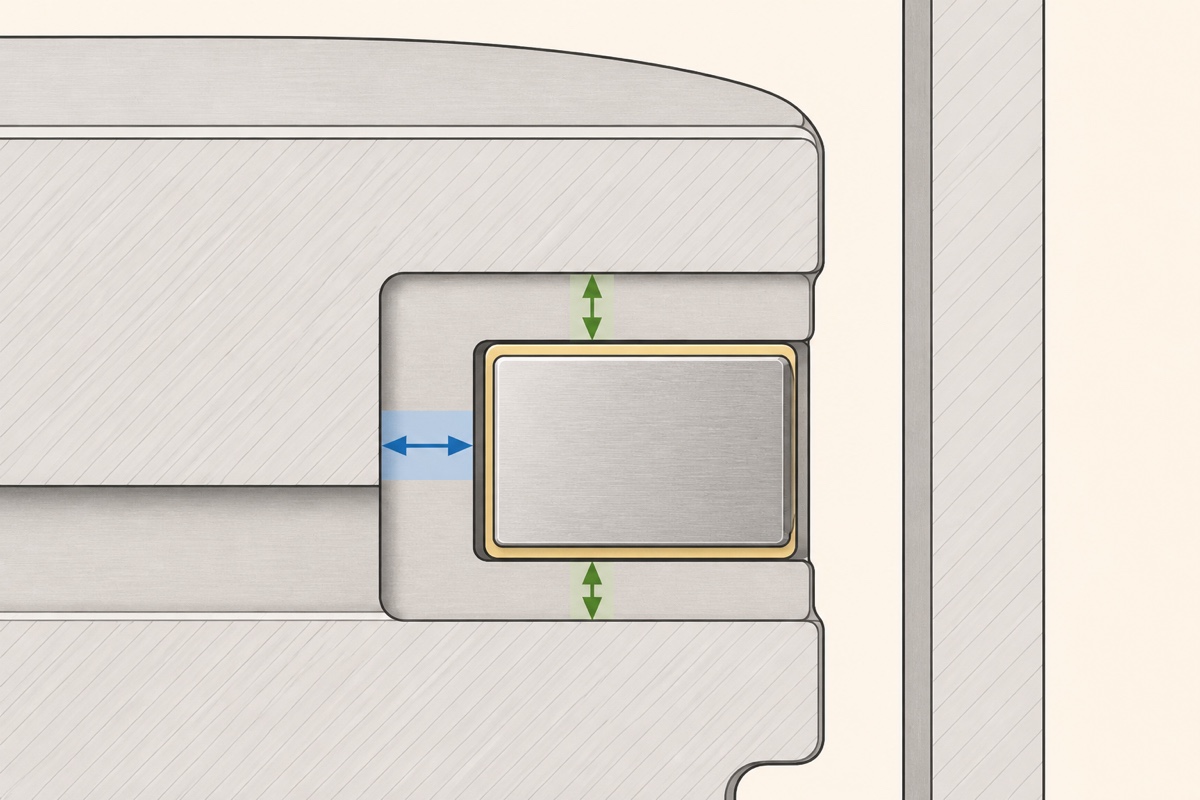
Bir piston segmanının farklı yönlerde üç boşluğu vardır ve bunlar kolayca karıştırılır:
Ağzın iki ucu arasındaki, çevresel yöndekiboşluk. Çok küçükse ısınınca uçlar dayanır; çok büyükse gaz kaçırır ve basınç kaybettirir.
Segman ile segman kanalının üst ve alt yüzeyleri arasındaki düşey boşluk. Çok büyükse yağ pompalar ve gaz kaçırır; çok küçükse segman tutuklanır.
Segmanın iç çapı ile kanal dibi arasındaki radyal boşluk; segmana dışa doğru genleşme ve karbon barındırma payı verir.
Birden fazla segman takılırken, tek tek segmanların ağızları aynı hat üzerinde sıralanmamalıdır. Bütün ağızlar aynı hizaya gelirse düz bir kaçak yolu oluşur ve yanma gazı hizalanmış ağızlardan doğruca aşağı kaçar. Standart uygulama, ağızları birbirine göre kaydırmak (örneğin 120° veya 180° arayla) ve piston pimi yatağı yönünden uzak tutmaktır.
Ayrıca okuyun: Piston segmanı türleri ve işlevleri Piston segmanı aşınması nasıl anlaşılır Motorda karbon birikintileri ve piston segmanları
Hayır. Çalışma sırasında bir piston segmanı 200-300 °C ve üzerine çıkabilir; metal ısıyla genleşir ve çevresi büyür, bu yüzden bunu karşılayacak bir ağız boşluğu bırakılmalıdır. Soğuktaki ağız boşluğu sıfırsa, ısındığında iki uç birbirine dayanır ve segman silindir duvarına doğru zorlanarak sıyırmaya, çiziğe ve hatta segman kırılmasına yol açar.
Hayır. Çok büyük bir ağız boşluğu, segmanın çevresinin yetersiz olduğu ya da segmanın çoktan aşındığı anlamına gelir; tek çözüm yeni segman takmaktır. Buna karşılık ağız boşluğu çok küçükse, segman uçları uygun aletle dikkatle açılabilir — ama yalnızca büyütülebilir, asla küçültülemez.
Sabit bir değer yoktur; genellikle silindir çapının bir oranı olarak hesaplanır ve pratik kural her 1 mm çap için yaklaşık 0,003-0,004 mm ağız boşluğudur (kabaca çapın % 0,3-0,4'ü). Her segmanın kendi değeri vardır ve en yüksek sıcaklığı gören üst kompresyon segmanının boşluğu genellikle en büyüğüdür. Her zaman motor ya da segman üreticisinin verdiği değer esastır.
Bunlar birbirinden farklı üç yöndeki boşluklardır. Ağız boşluğu, segmanın iki ucu arasındaki, çevre boyunca uzanan boşluktur; yan boşluk, segman ile segman kanalının üst ve alt yüzeyleri arasındaki düşey boşluktur; arka boşluk ise segmanın iç çapı ile kanal dibi arasındaki radyal boşluktur. Her biri farklı ölçülür ve farklı etkiler doğurur; birbirine karıştırılmamalıdır.
Bütün segmanların ağızları aynı hat üzerinde sıralanırsa düz bir kaçak yolu oluşur ve yanma gazı hizalanmış ağızlardan doğruca aşağı kaçabilir. Standart uygulama, ağızları birbirine göre kaydırmak (örneğin 120° veya 180° arayla) ve piston pimi yatağı yönünden uzak tutmaktır; böylece gazın kaçak yolu uzar ve sızdırmazlık korunur.
Piston segmanını silindire tek başına yerleştirin (pistonun üzerinde değil), segmanı silindir eksenine dik ve sabit bir derinlikte duracak biçimde gönyeye almak için piston tepesini kullanın, ardından boşluğu okumak için segman ağzına bir sentil sokun. Aşınmış bir silindirde ölçüyorsanız, en az aşınmış noktadan ölçün (genellikle silindirin alt kısmına yakın).
Ağız boşluğu birkaç kıl kalınlığında bir yarıktan ibarettir, ama aynı anda iki büyük sonucu belirler — sızdırmazlık ve sıyırma: çok küçükse ısıl genleşmeden uçlar dayanır, çok büyükse gaz kaçırır ve basınç kaybettirir. Doğru yaklaşım basittir: ölçün ve üreticinin verdiği değere ayarlayın, ağız boşluğunu ölçmek için segmanı gönyeye alın ve montajda ağızları kaydırın. Bu küçük yarık doğru olursa, piston segmanı yüksek sıcaklık ve yüksek devirde bile uzun vadede sızdırmazlığı ve yağ kontrolünü koruyabilir.
1973'ten beri
C.T.I. 1973'ten bu yana piston segmanı ve motor parçaları üretiyor; hassas talaşlı imalat ve yüzey işlem teknolojisiyle müşterilerinin uzun süreli motor çalışmasında sızdırmazlığı ve yağ kontrolünü korumasına yardımcı oluyor. Ürün yelpazesi otomotiv, motosiklet, tarım ve endüstriyel motorlara yönelik piston segmanlarını kapsıyor ve hem orijinal ekipman hem de yedek parça değerlerini destekliyor.
© C.T.I. Traffic Industries Co., Ltd. C.T.I. özgün içeriğidir — izinsiz çoğaltmak, kopyalamak veya ticari amaçla kullanmak yasaktır.
Geri