Which piston ring material is best? A side-by-side comparison of steel (304H), cast iron (FC20) and ductile iron (FCD60) for wear resistance, strength and cost, which ring in the set uses which material, and answers to common questions.
The piston ring is one of the key parts in the piston system, and its material is critical to engine performance and lifespan. A piston ring needs excellent wear resistance and elasticity to seal well during the piston’s reciprocating motion and keep the engine running properly. The common piston-ring materials are mainly steel, cast iron and ductile iron.
| Cast iron (FC20) | Steel (304H) | Ductile iron (FCD60) | |
|---|---|---|---|
| Wear resistance | Moderate — needs surface treatment | High | Excellent |
| Strength under heat and pressure | Lower | High | Highest |
| Self-lubrication | Good | Relies on coating | Very good (graphite nodules) |
| Production cost | Moderate | Lowest | Highest |
| Size limits | None | Limited by wire sizes | — |
| Best for | Ordinary passenger-car engines | High-load, high-speed engines | High-power petrol and diesel engines |
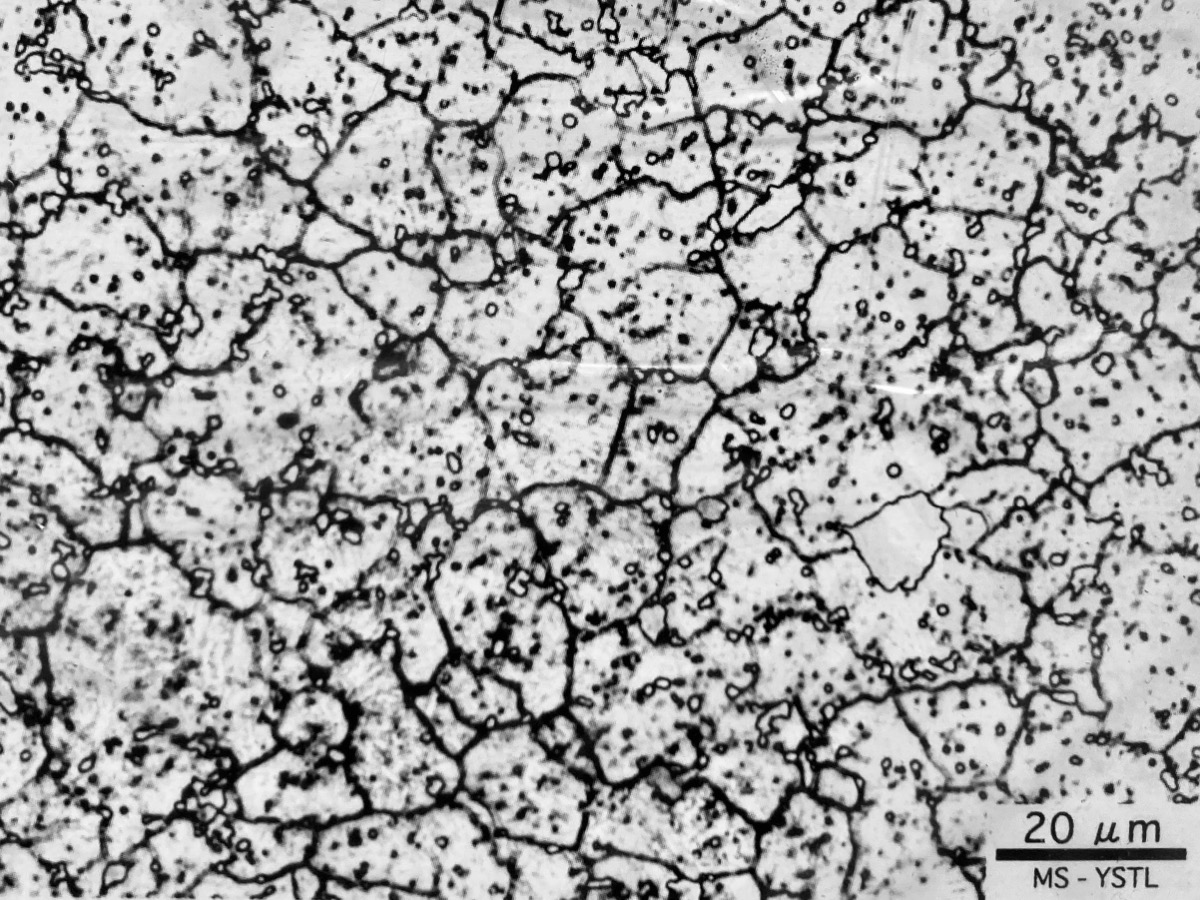
Steel is highly ductile, tolerates large deformation, has excellent wear resistance and is relatively low-cost, making it one of the most widely used piston-ring materials. Compared with cast iron, steel rings have higher tensile strength and wear resistance, making them well suited to high-load, high-speed engines. The hardness and strength of steel better resist deformation and damage under high temperature and pressure; special treatments (such as coating or heat treatment) can further improve wear resistance. Compared with ductile iron, steel rings are relatively cheaper to make. C.T.I. currently uses 304H steel.
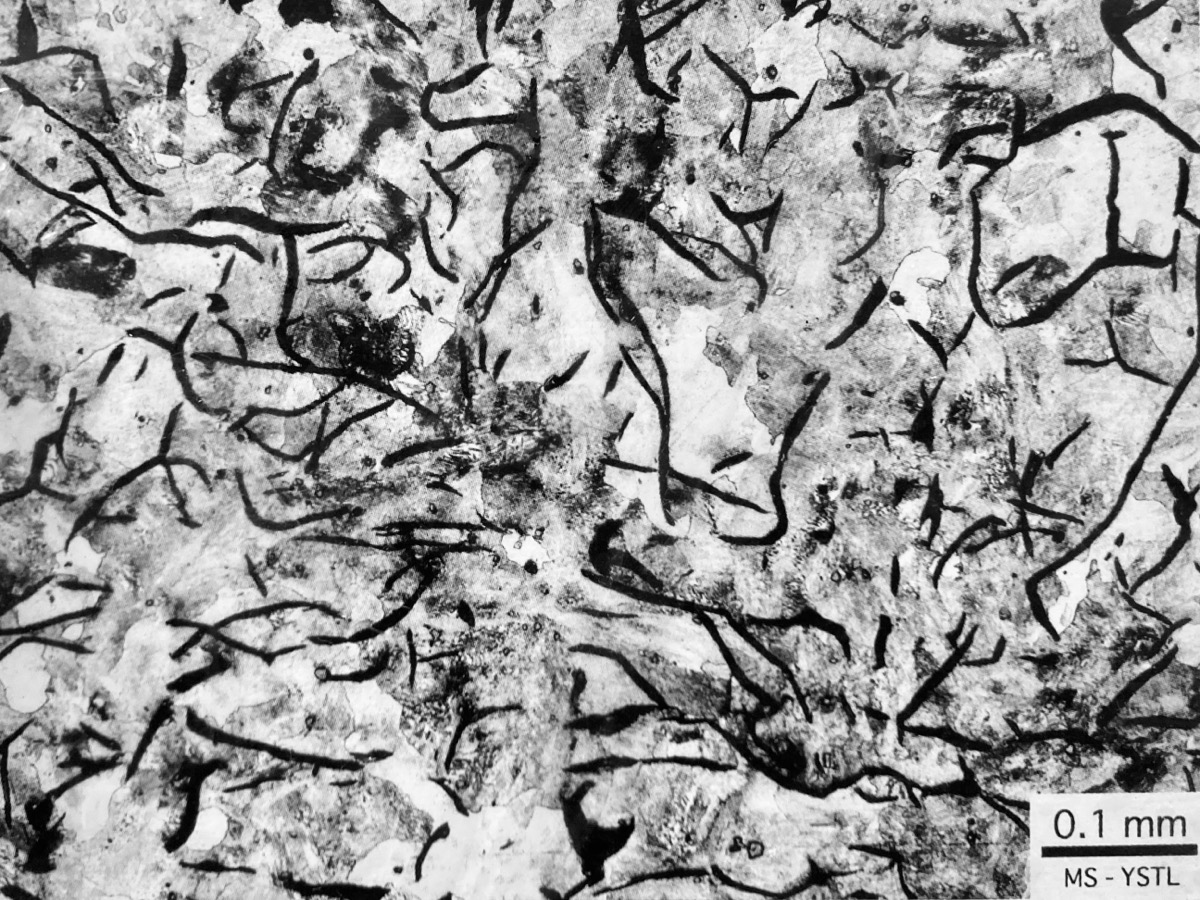
Cast iron costs slightly more than steel, machines well and has somewhat lower wear resistance, requiring suitable surface treatment. Although cast-iron rings perform less well than ductile iron and steel under high temperature and pressure, they still meet the basic needs of ordinary car engines. C.T.I. currently uses FC20 cast iron.
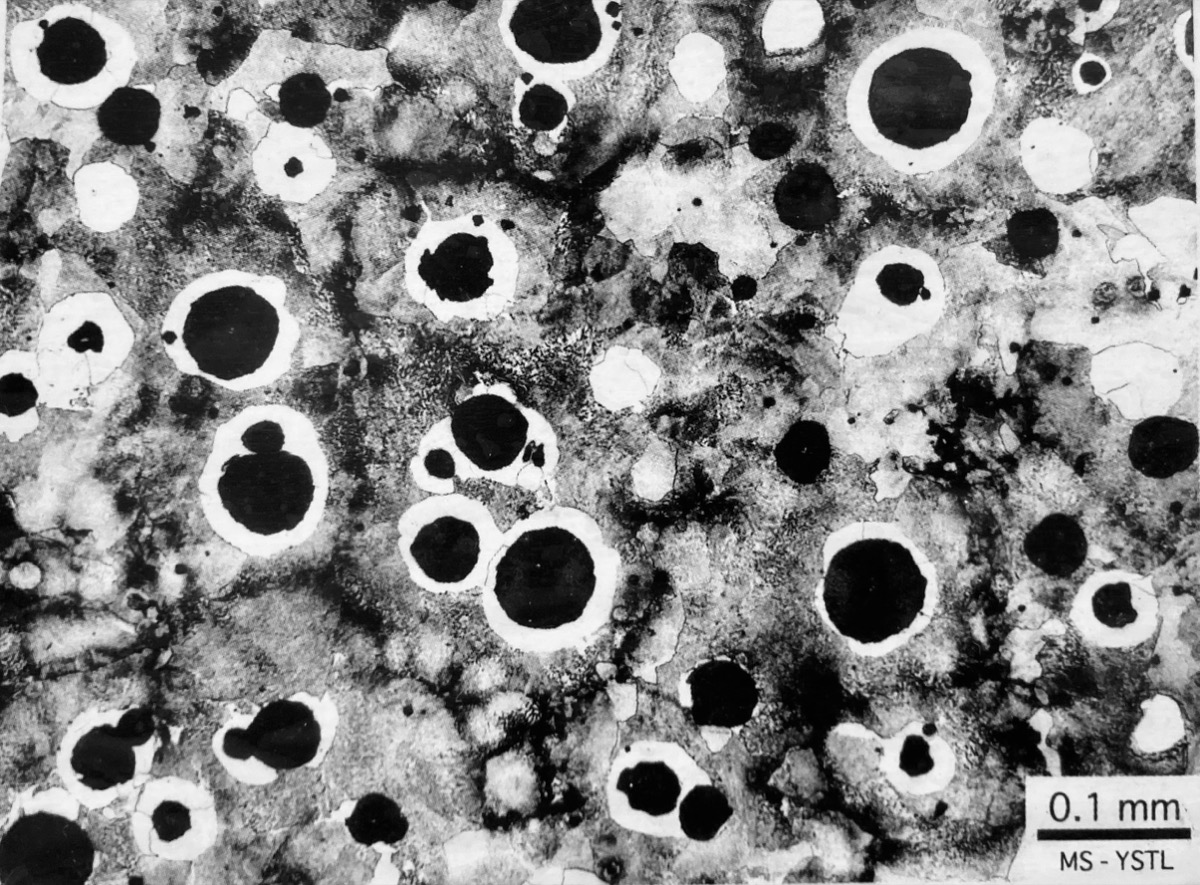
Ductile iron has excellent mechanical properties and wear resistance and is widely regarded as the best piston-ring material. Because it contains abundant graphite particles, it has good self-lubrication and resistance to thermal cracking; its hardness and tensile strength are also far higher than ordinary cast iron, better resisting wear under high temperature and pressure. However, ductile-iron rings usually cost more to make and the process is more complex. C.T.I. currently uses FCD60 ductile iron.
Ductile-iron rings are therefore widely used across all kinds of internal-combustion engines, especially high-power, high-speed petrol and diesel engines. They not only provide outstanding sealing but also last far longer than other materials. Even under strict vehicle emission standards, ductile-iron rings maintain excellent oil-consumption and emission figures.
A piston carries several rings, and each one works under different conditions, so a single ring set often mixes materials:
The exact combination depends on the engine. When you order replacement rings, match the original specification for your engine rather than choosing a material on its own.
The base material sets a ring’s strength; the surface treatment decides how it wears against the cylinder wall. Chrome plating, nitriding, phosphating and C.T.I.’s diamond-like carbon coating each suit different materials and engines. See piston ring surface treatments and DLC-coated piston rings for details.
Among the many piston-ring materials, ductile iron is undoubtedly one of the best, though it costs more. Next is the steel ring, which outperforms cast iron and offers good value, but is more constrained by available wire sizes. Cast-iron rings perform less well than ductile iron and steel, but because they have no wire-size limit and their cost is moderate, they are still widely used in piston-ring parts.
For high-power petrol and diesel engines, ductile iron gives the best combination of strength, wear resistance and service life. Steel is the better-value choice for high-load, high-speed engines. Cast iron still meets the needs of ordinary passenger-car engines at a moderate cost.
Both. Cast iron is the traditional material, while steel and ductile iron are used where the ring sees more heat and load, most often for the top ring. Many ring sets combine materials, with a different one for each ring position.
Yes. A ring that wears quickly loses tension and lets oil pass into the combustion chamber, which raises oil consumption and emissions. Durable materials such as ductile iron hold their sealing for longer. See signs of worn piston rings.
C.T.I. produces piston rings in 304H steel, FC20 cast iron and FCD60 ductile iron, and offers a range of surface treatments, including its own diamond-like carbon (DLC) coating. You can search our piston ring catalog by engine or OEM number.
© C.T.I. Traffic Industries Co., Ltd. Original content by C.T.I. — reproduction, copying or commercial use without permission is prohibited.
Back