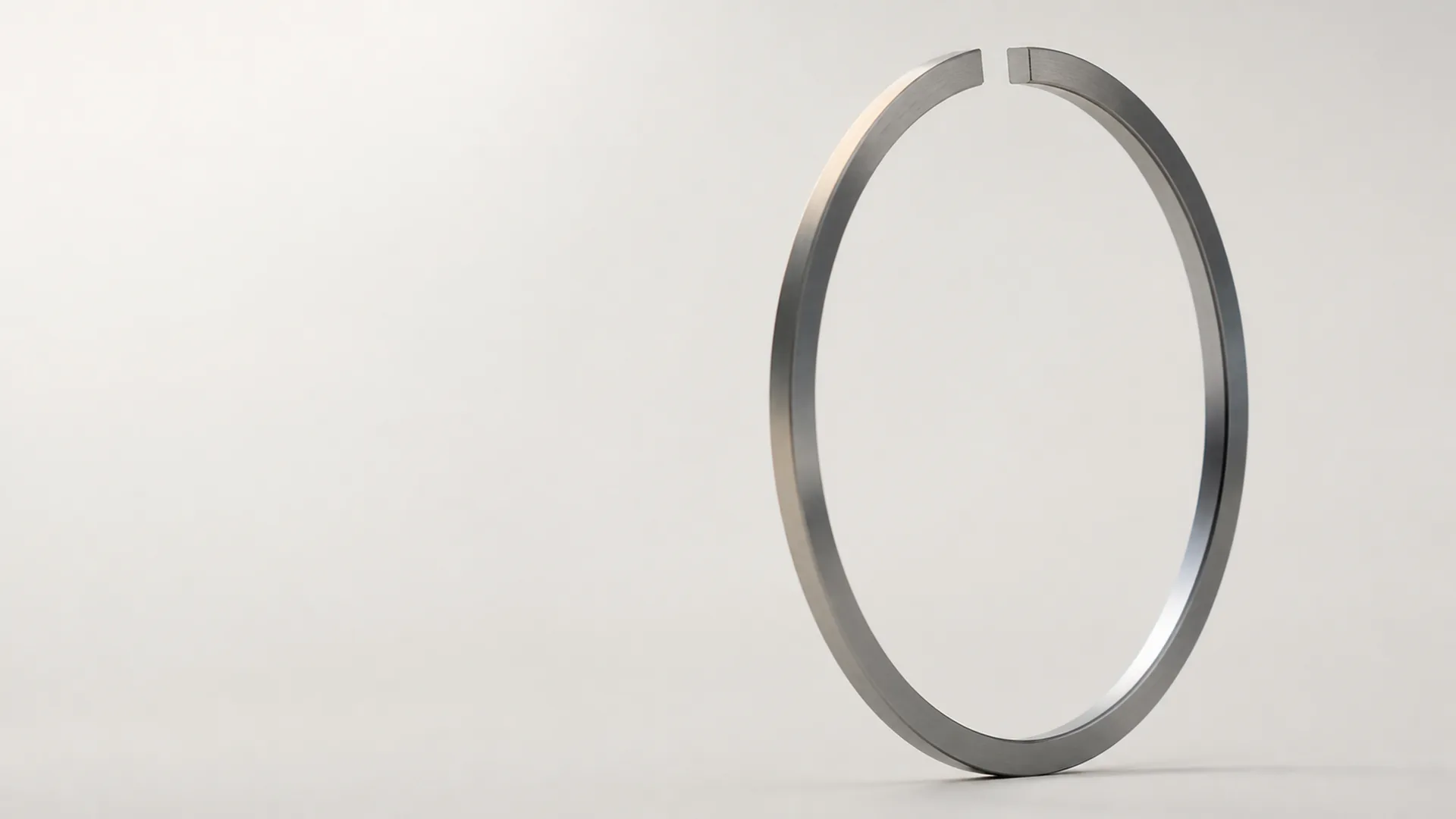
The piston ring · the engine's smallest gatekeeper
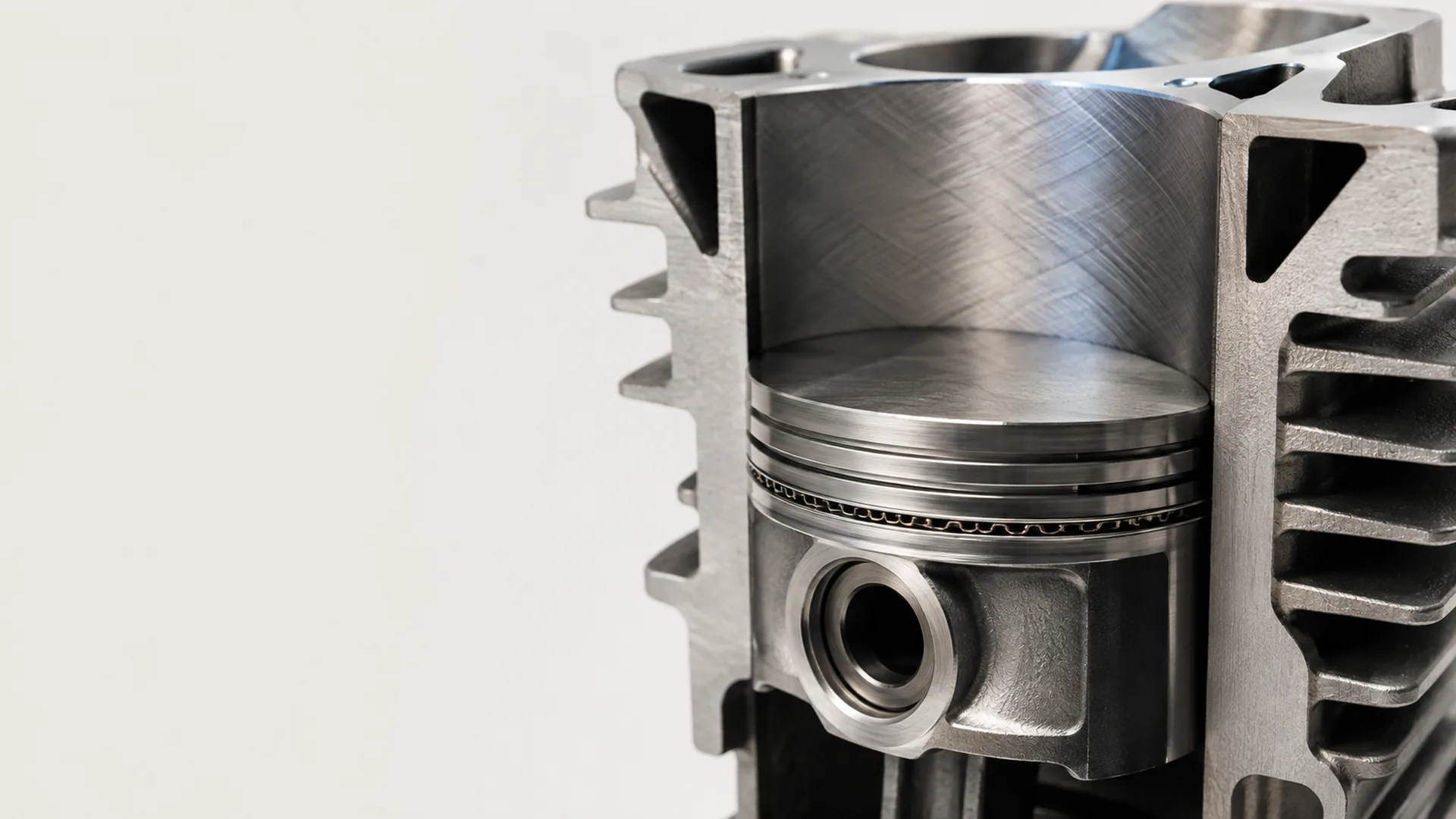
Where it lives
The piston never touches the wall. The three rings seated in its grooves do all the contact work.
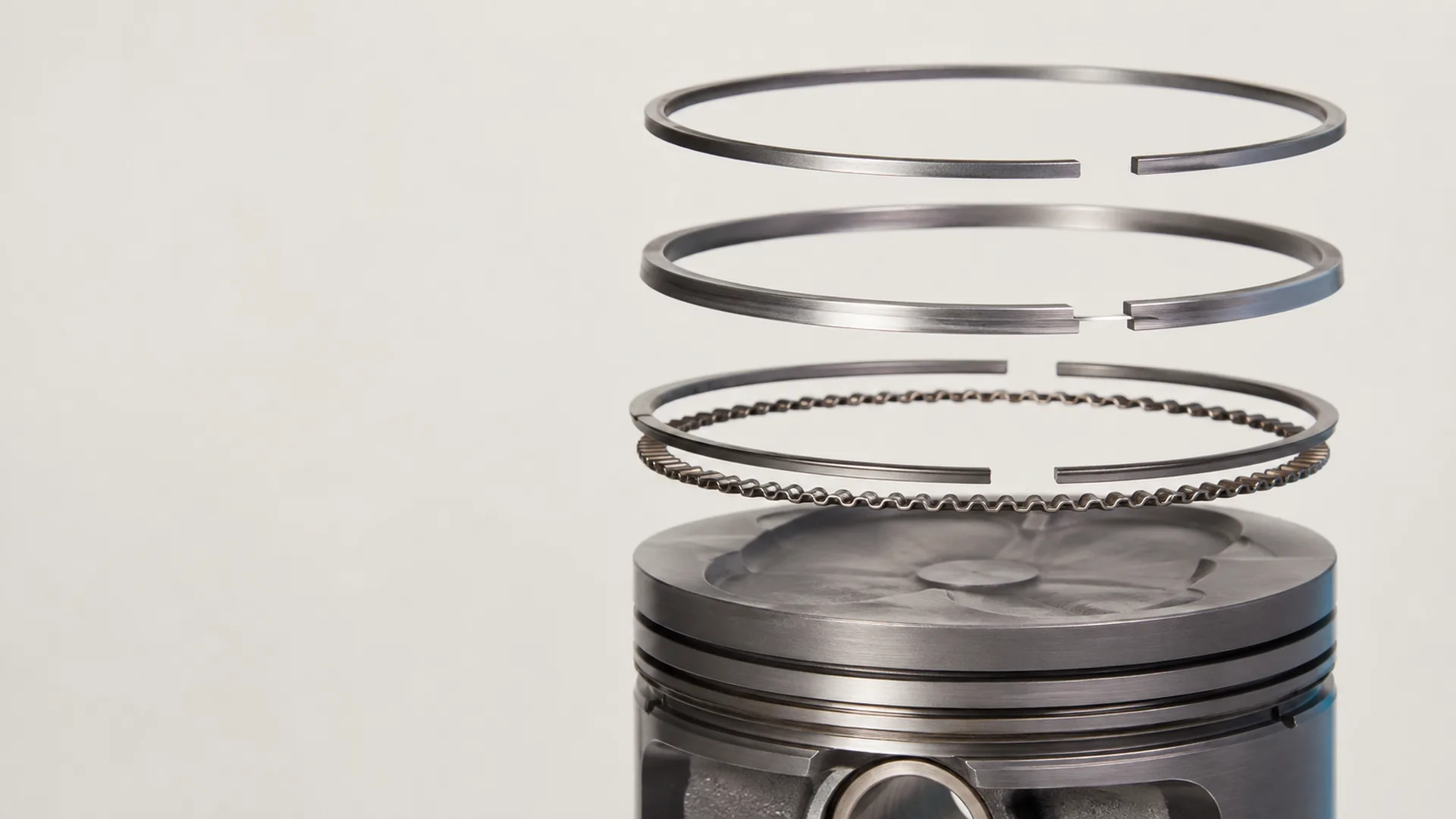
Division of labour
The top ring seals combustion pressure; the second backs it up and scrapes oil; the oil ring returns the excess to the sump.
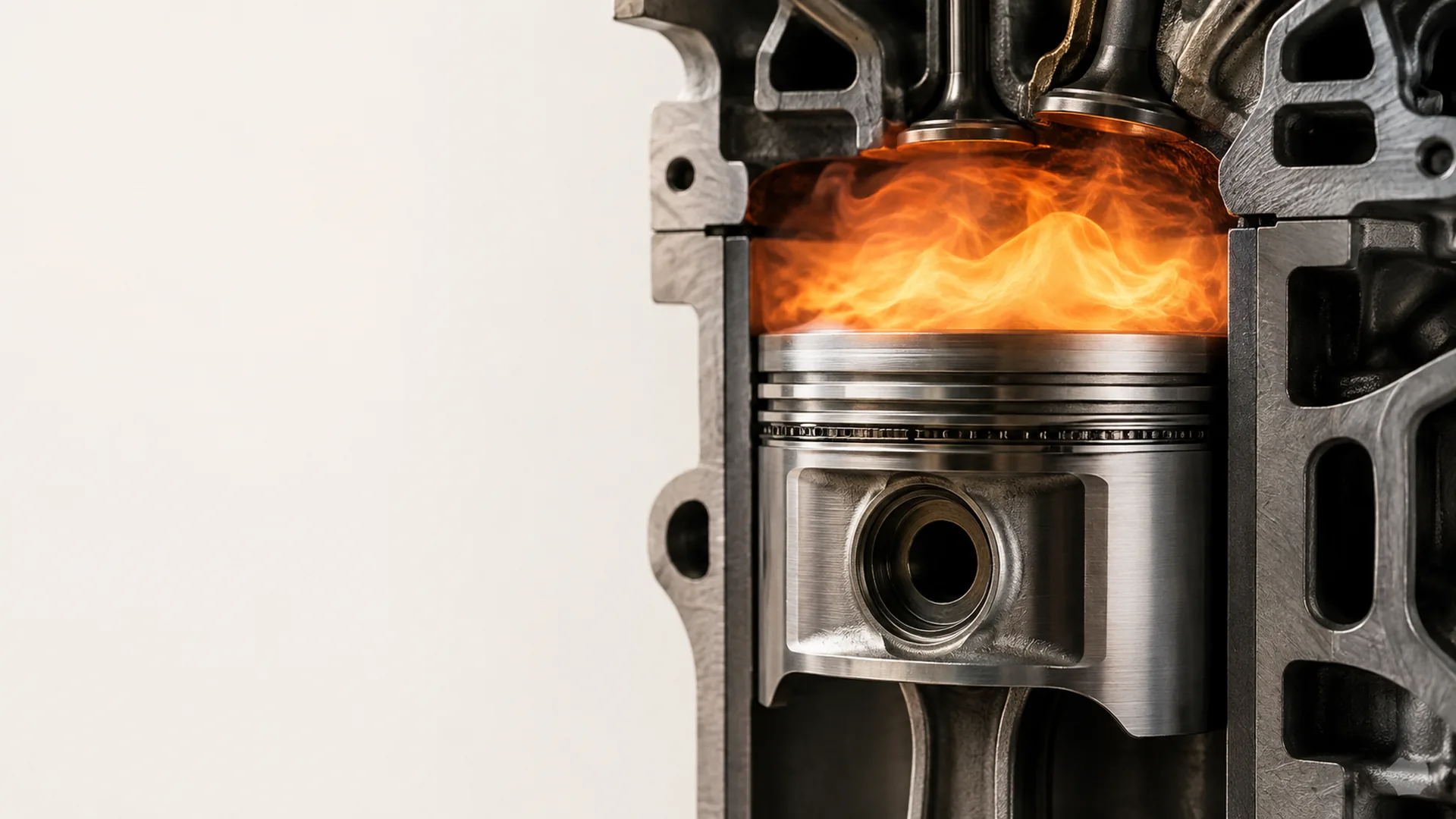
Working conditions
Origins
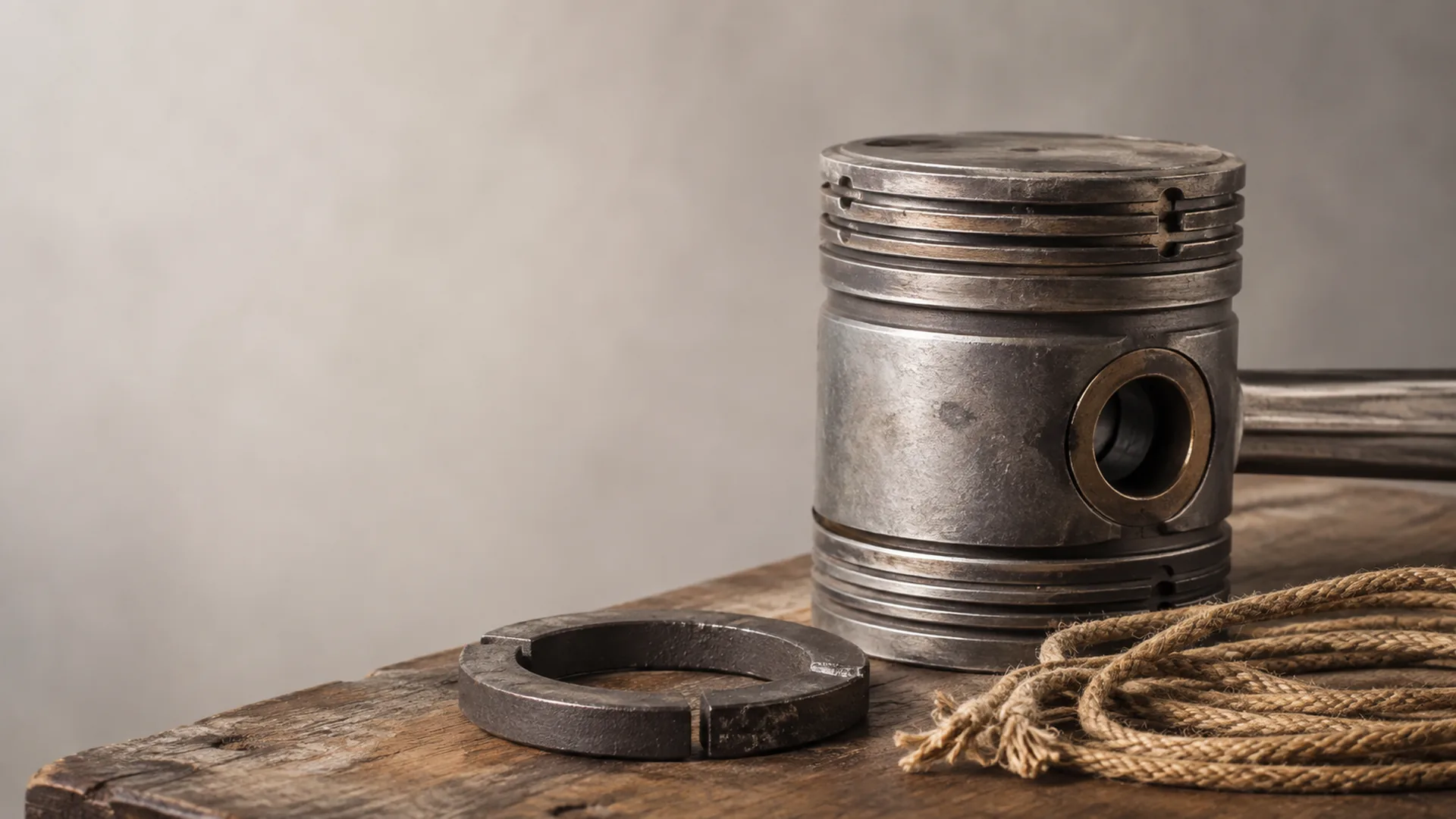
Before it, steam engines were packed with hemp and leather.
Evolution
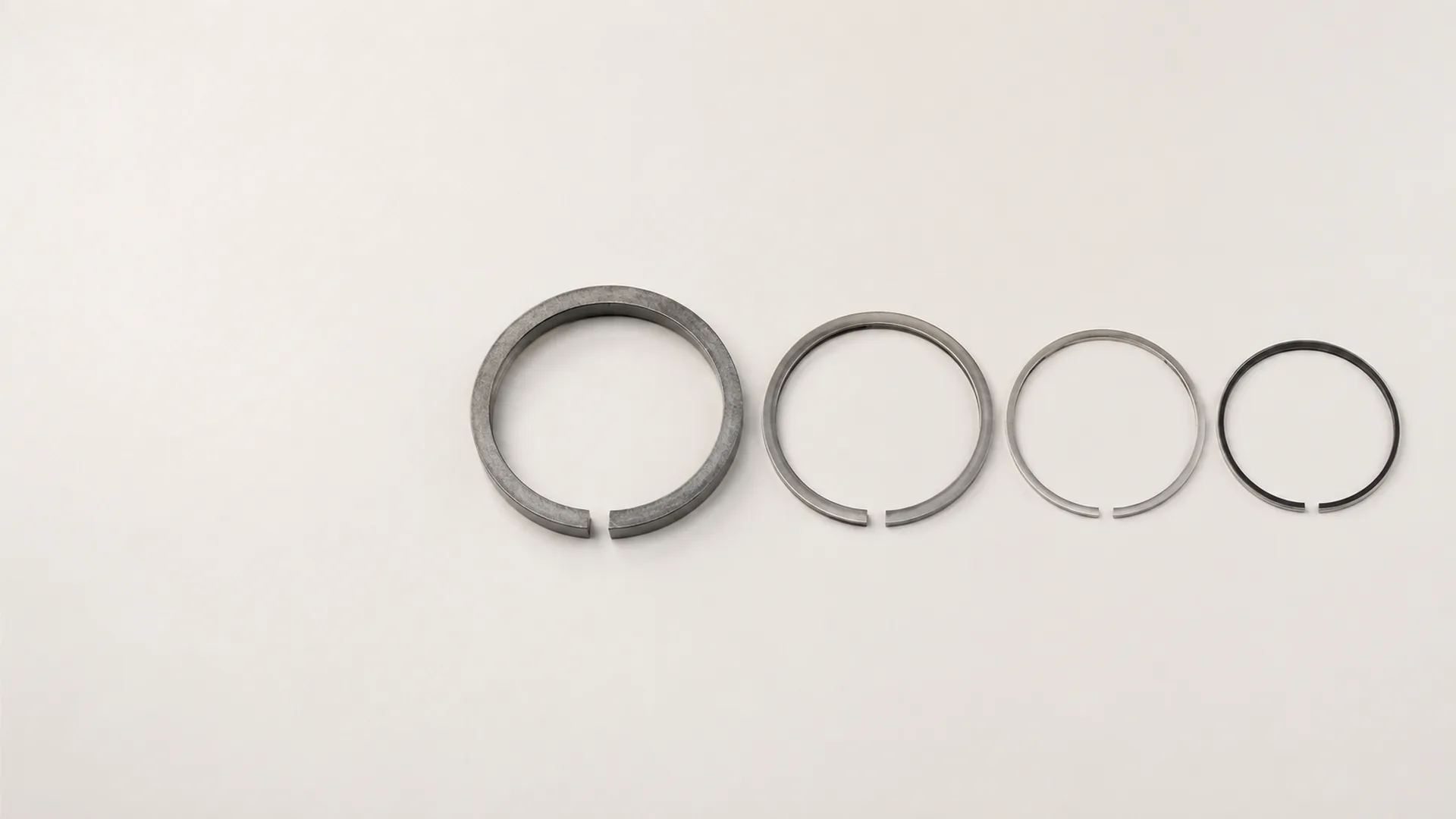
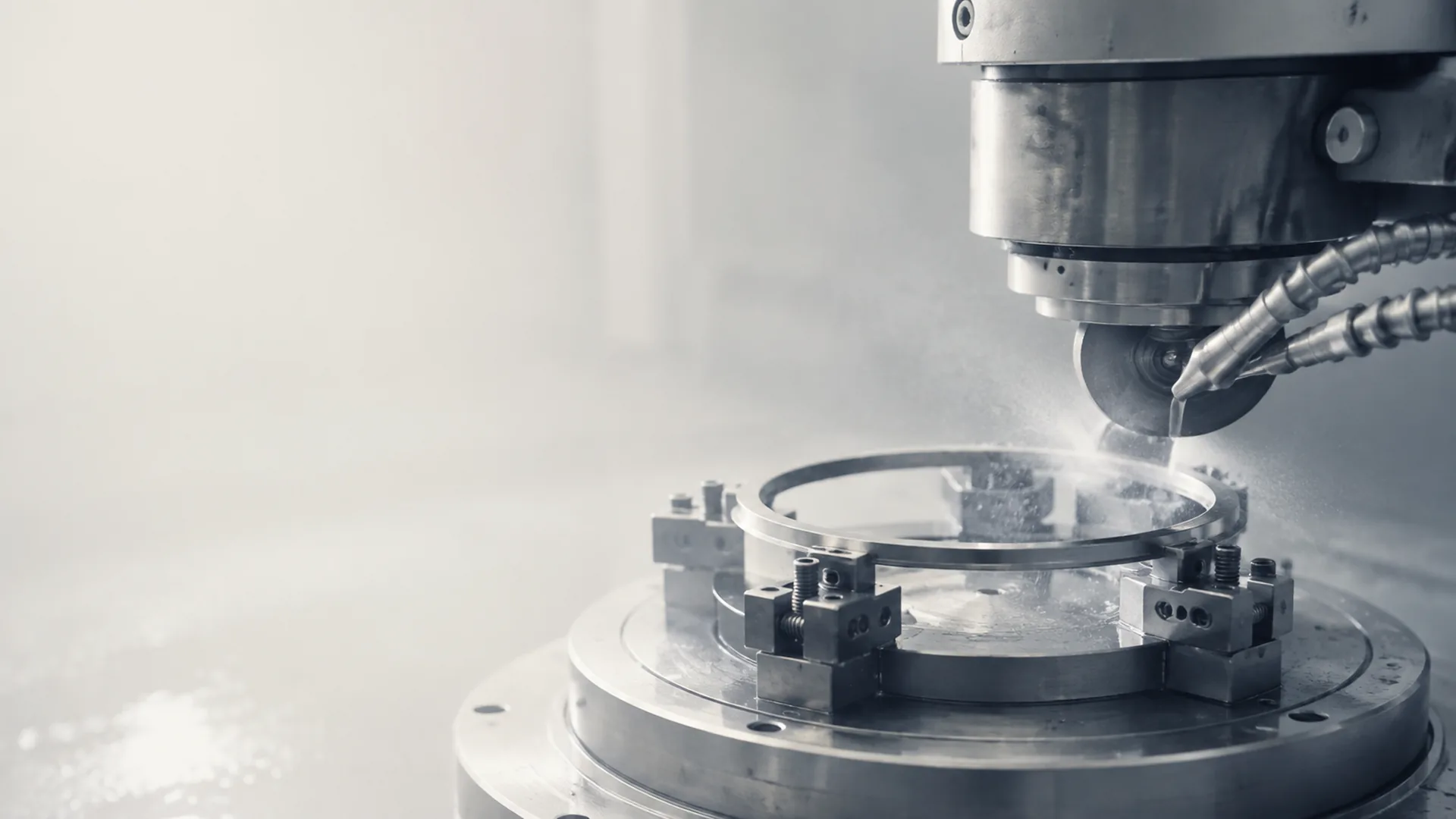
Thinner ring, lower friction, better fuel economy — through steel, nitriding, PVD coatings and micron-level machining.
Failure
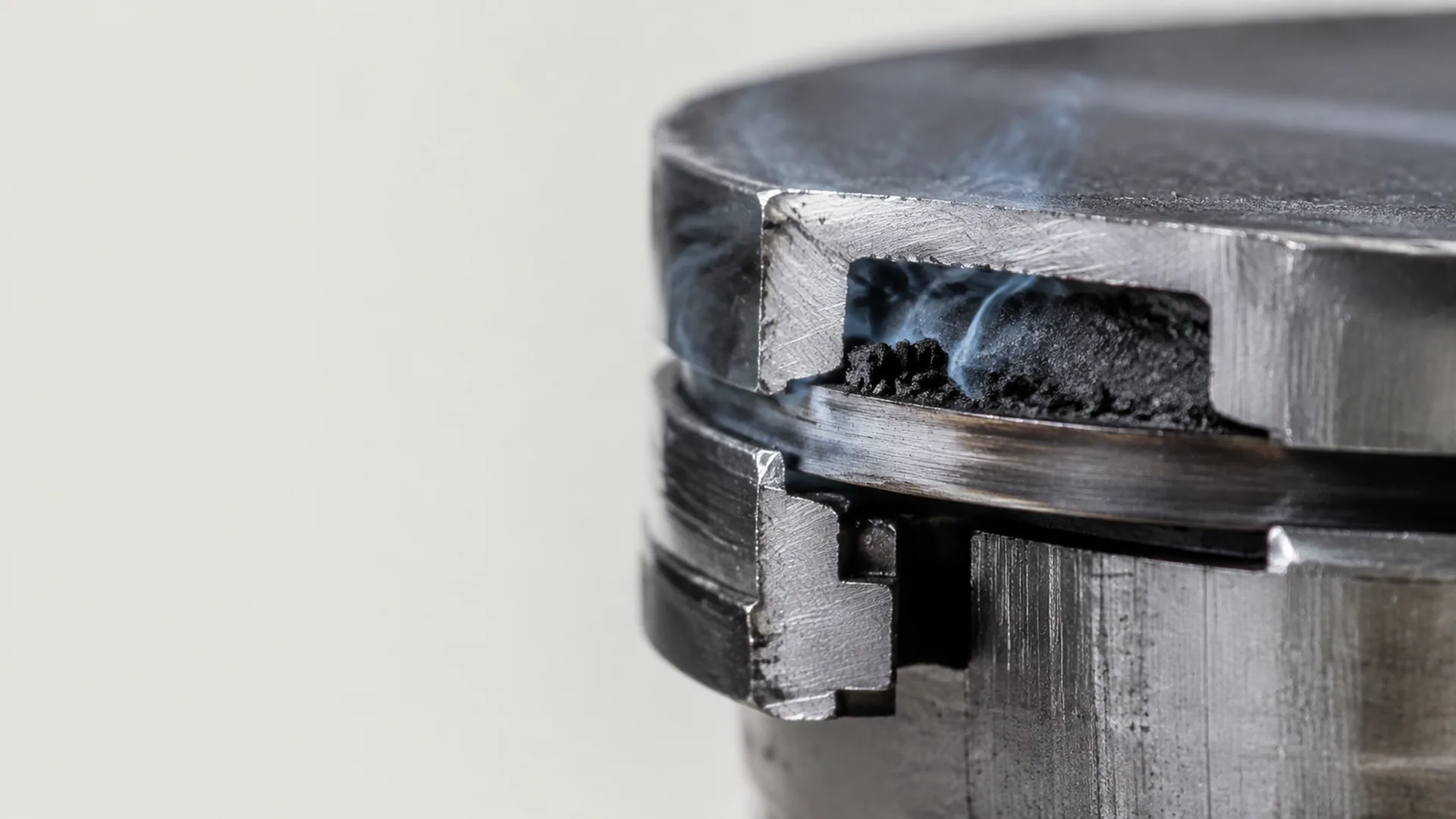
Blow-by: lost compression. Oil burning: blue smoke. Carbon: rings stick, and it spirals.
C.T.I. Traffic Industries · est. 1973 · Tainan, Taiwan
Contact us · Request a quote